
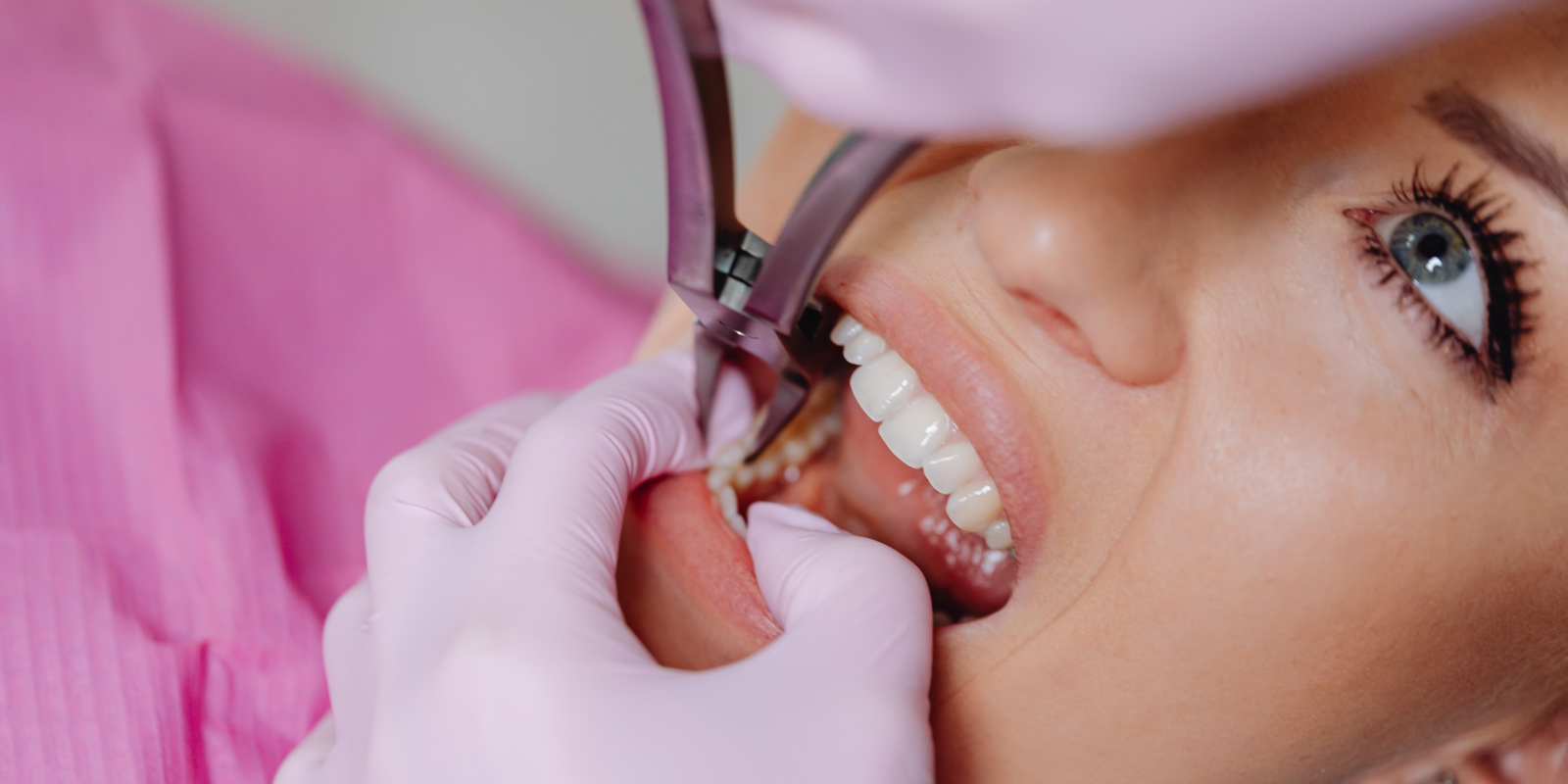
Missing teeth do not only alter the way that you look; they can also impact how you chew your food, communicate with others, and feel within conversations. Dental implants are created to provide those with missing teeth with an alternative option to replace their teeth. They are reliable replacements for missing teeth because they are made to mimic natural teeth based on aesthetics, feel, and functionality.
At Gentle Dental Family Dentistry, we deliver dental implants for our Kew Gardens patients who are looking for a longer-term solution for missing teeth, whether you are missing one tooth, several teeth, or are considering a more complete restoration of your smile. Having knowledge of the various types of dental implants will allow you to have peace of mind prior to initiating your dental implant process.
Within this guide, you will learn about the various dental implants types, how each type of implant works, and which option will suit your smile best.
What Are Dental Implants?
To replace lost teeth, dental implants serve as wonders of nature. They are little posts that are made of titanium and put into your jawbone, replicating the root of each of your missing natural teeth. Once they have healed and integrated with your bones, they can then support dental prostheses such as a crown, bridge, or denture, completing your smile.
Implants offer a stable, non-removable solution as opposed to traditional dentures which are removable. In addition to returning your ability to chew efficiently, implants preserve your jawbone and offer a very natural alternative to missing teeth.
Many patients choose implants because they offer:
- A stable tooth replacement option
- Natural appearance and feel
- Long-term support for oral health
- Better chewing comfort
- Support for jawbone health
- No need to rely on nearby teeth for support in many cases
Before choosing the right implant option, your dentist will check your oral health, bone density, gums, bite, and overall treatment goals.
Why There Are Different Types of Dental Implants
Everyone has different dental needs; some will be missing one tooth and others may need up to six (or more) teeth replaced. Additionally, some patients have a strong jawbone and can have implants placed with little or no additional preparation than what is required for each type of implant.
That is why there are different types of implants available. The best option depends on:
- How many teeth are missing
- Where the missing teeth are located
- The condition of your jawbone
- Your gum health
- Your bite alignment
- Your comfort level
- Your budget and treatment goals
At Gentle Dental Family Care, the process starts with a consultation so your dentist can recommend the most suitable treatment plan.
1. Single Tooth Dental Implant
A single tooth implant is used when one tooth is missing. This is one of the most common and straightforward types of dental implants.
Implant post will be placed in the jawbone, and after it heals, you’ll receive a custom-made crown. The crown will match the shape and color of your surrounding teeth; therefore it will blend in well with your smile.
Best for:
- One missing tooth
- Patients who want a fixed replacement
- Replacing a tooth without affecting nearby teeth
- Restoring chewing function in one area
Why patients choose it:
One option replacing a missing tooth is a single implant instead of having a bridge, which requires some of the adjacent teeth to be modified before placing them in a bridge. A dental implant is a stronger alternative because the single tooth implant will have its own root and therefore will support the jawbone.
2. Implant-Supported Bridge
A bridge can be supported by multiple implants positioned beneath it, for example when multiple adjacent teeth have been extracted but the patient has adequate bone to support multiple implants.
Best for:
- Multiple missing teeth in one area
- Patients who want a fixed solution
- Avoiding removable partial dentures
- Restoring chewing ability across a larger space
Why patients choose it:
In many instances, an implant-supported bridge can offer a more secure feel than a removable appliance. It can also give more solid support to the surrounding area than a conventional fixed bridge does since the implant-supported bridge is supported by implants.
3. Full Mouth Dental Implants
Full mouth dental implants can replace most or all of the teeth, and can be used to restore one or both dental arches. Depending on the individual’s needs, dental implants placed in the entire mouth can support either fixed bridge work or implant-supported dentures.
Best for:
- Patients missing most or all teeth
- Patients struggling with loose dentures
- People who want stronger chewing support
- Full smile restoration
Why patients choose it:
Full mouth implants can improve comfort, function, and confidence. They may also provide better stability compared to traditional dentures, especially for patients who find removable dentures uncomfortable or difficult to manage.
4. All-on-4 Dental Implants
All-on-4 is a popular full-arch implant option. It uses four strategically placed implants to support a full set of replacement teeth on the upper or lower jaw.
This option is often considered for patients who need full arch replacement but want a more stable solution than traditional dentures.
Best for:
- Full arch tooth replacement
- Patients looking for fixed teeth
- People with multiple failing or missing teeth
- Patients who want improved denture stability
Why patients choose it:
All-on-4 can provide strong support with fewer implants compared to replacing each tooth individually. It may also reduce the need for more complex procedures in some cases, depending on the patient’s bone condition.
5. Implant-Supported Dentures
Implant-supported dentures are dentures that attach to dental implants for improved stability. They may be removable or fixed depending on the treatment plan.
This option is often helpful for patients who currently wear dentures but want better comfort and security.
Best for:
- Loose or uncomfortable dentures
- Missing teeth across an arch
- Patients who want better chewing support
- More affordable full-mouth implant options in some cases
Why patients choose it:
Traditional dentures can move while eating or speaking. Implant-supported dentures help reduce movement and provide a more confident fit.
6. Endosteal Dental Implants
Endosteal implants are the most commonly used dental implants. These are placed directly into the jawbone and usually shaped like small screws.
Most single tooth implants, implant-supported bridges, and full-mouth implant treatments use endosteal implants.
Best for:
- Patients with healthy jawbone support
- Single or multiple tooth replacement
- Long-term fixed restorations
- Most standard implant cases
Why patients choose it:
Endosteal implants are widely used because they provide strong support when the jawbone is healthy enough to hold the implant securely.
7. Subperiosteal Dental Implants
Subperiosteal implants are less common. Instead of being placed into the jawbone, they sit on or above the bone but under the gum tissue.
These may be considered for patients who do not have enough jawbone for standard implants and may not be suitable for bone grafting. However, this option is not as commonly used today because modern implant techniques have advanced significantly.
Best for:
- Specific cases with low bone support
- Patients not suited for traditional implants
- Situations where other options are limited
Why patients may consider it:
This type may be discussed when regular implants are not possible, but your dentist will recommend the safest and most predictable option after a full evaluation.
8. Mini Dental Implants
Mini implants are smaller than traditional implants. They may be used in certain cases where there is limited space or less bone available.
They are sometimes used to help stabilize dentures, but they are not suitable for every patient or every tooth replacement need.
Best for:
- Smaller spaces
- Denture stabilization in select cases
- Patients with limited bone in certain areas
- Cases where standard implants may not be ideal
Why patients choose it:
Mini implants may involve a less complex process in some cases, but they must be carefully planned to make sure they can support the intended restoration properly.
Which Type of Dental Implant Is Right for You?
The right implant option depends on your oral health and personal goals. A patient missing one tooth may only need a single implant, while someone with multiple missing teeth may benefit from an implant-supported bridge or full-mouth solution.
During your consultation at Gentle Dental Family Care, your dentist may review:
- Your missing tooth or teeth
- Jawbone strength
- Gum health
- Bite condition
- Medical history
- X-rays or imaging
- Treatment expectations
- Timeline and budget
This helps create a treatment plan that is practical, comfortable, and suited to your needs.
Dental Implants vs Other Tooth Replacement Options
Dental implants are often compared with dentures and bridges. Each option has its place, but implants are popular because they provide strong support and help preserve jawbone health.
Dental implants may be a good choice if you want:
- A fixed tooth replacement
- Better chewing strength
- A natural-looking smile
- Long-term support
- Better stability than removable dentures
Dentures or bridges may be considered if:
- You need a faster temporary solution
- You are not ready for surgery
- You have certain health or bone limitations
- You prefer a different budget option
The best way to decide is to schedule an evaluation and discuss your options with your dentist.
Are Dental Implants Painful?
Many patients feel nervous about implant treatment, but the procedure is usually planned with comfort in mind. Local anesthesia is used during treatment, and your dental team will explain what to expect before, during, and after the procedure.
Some soreness or swelling can happen after implant placement, but your dentist will provide aftercare instructions to support healing.
At Gentle Dental Family Care, we focus on clear communication, gentle care, and helping patients feel comfortable throughout the process.
How Long Do Dental Implants Last?
Dental implants are designed to be a long-term tooth replacement option. With proper care, good oral hygiene, and regular dental checkups, they can last for many years.
To protect your implants, you should:
- Brush and floss daily
- Visit your dentist regularly
- Avoid smoking if possible
- Treat gum concerns early
- Avoid chewing very hard objects
- Follow your dentist’s care instructions
Implants still need maintenance, just like natural teeth. Healthy gums and good cleaning habits are important for long-term success.
Why Choose Gentle Dental Family Care for Dental Implants?
Choosing the right dental team matters. At Gentle Dental Family Care, we help patients in Kew Gardens and surrounding Queens areas understand their options before making a decision.
Our dental implant services are designed around patient comfort, clear treatment planning, and long-term oral health. Whether you are exploring a single implant or need a more complete tooth replacement solution, our team can guide you through the process step by step.
Patients visit us for:
- Dental implants in Kew Gardens
- Single tooth replacement
- Implant-related dental care
- Restorative dentistry
- Oral surgery support
- Family dental care
- Emergency dental needs
We keep the experience simple, informative, and focused on helping you feel confident about your treatment.
When Should You Call About Dental Implants?
You should consider calling if:
- You are missing one or more teeth
- You have loose or uncomfortable dentures
- You struggle to chew comfortably
- You want a fixed replacement option
- You have been told you may need an extraction
- You want to compare different kinds of dental implants
To speak with our team, call Gentle Dental Family Care at (718) 849-9797 or book your appointment online.
FAQs About Types of Dental Implants
What are the main types of dental implants?
The main types include single tooth implants, implant-supported bridges, full-mouth implants, All-on-4 implants, implant-supported dentures, endosteal implants, mini implants, and subperiosteal implants.
Which dental implant type is best?
The best option depends on how many teeth are missing, your jawbone health, gum condition, and treatment goals.
Are dental implants better than dentures?
Dental implants usually offer better stability and chewing support, while dentures may be suitable for patients who prefer a removable option.
Can dental implants replace all teeth?
Yes, full-mouth dental implants or All-on-4 implants can replace a full upper or lower arch of missing teeth.
How do I know if I am a candidate for dental implants?
A dental exam, X-rays, and consultation can help determine whether dental implants are right for you.
Final Thoughts
Understanding the different types of dental implants can make the decision easier. From single tooth implants to full-mouth solutions, each option serves a different purpose. The right choice depends on your oral health, comfort, and long-term smile goals.
If you are considering dental implants in Kew Gardens or Queens, Gentle Dental Family Care is here to help you explore your options with clear guidance and patient-focused care.
Call (718) 849-9797 today to schedule your dental implant consultation.
