
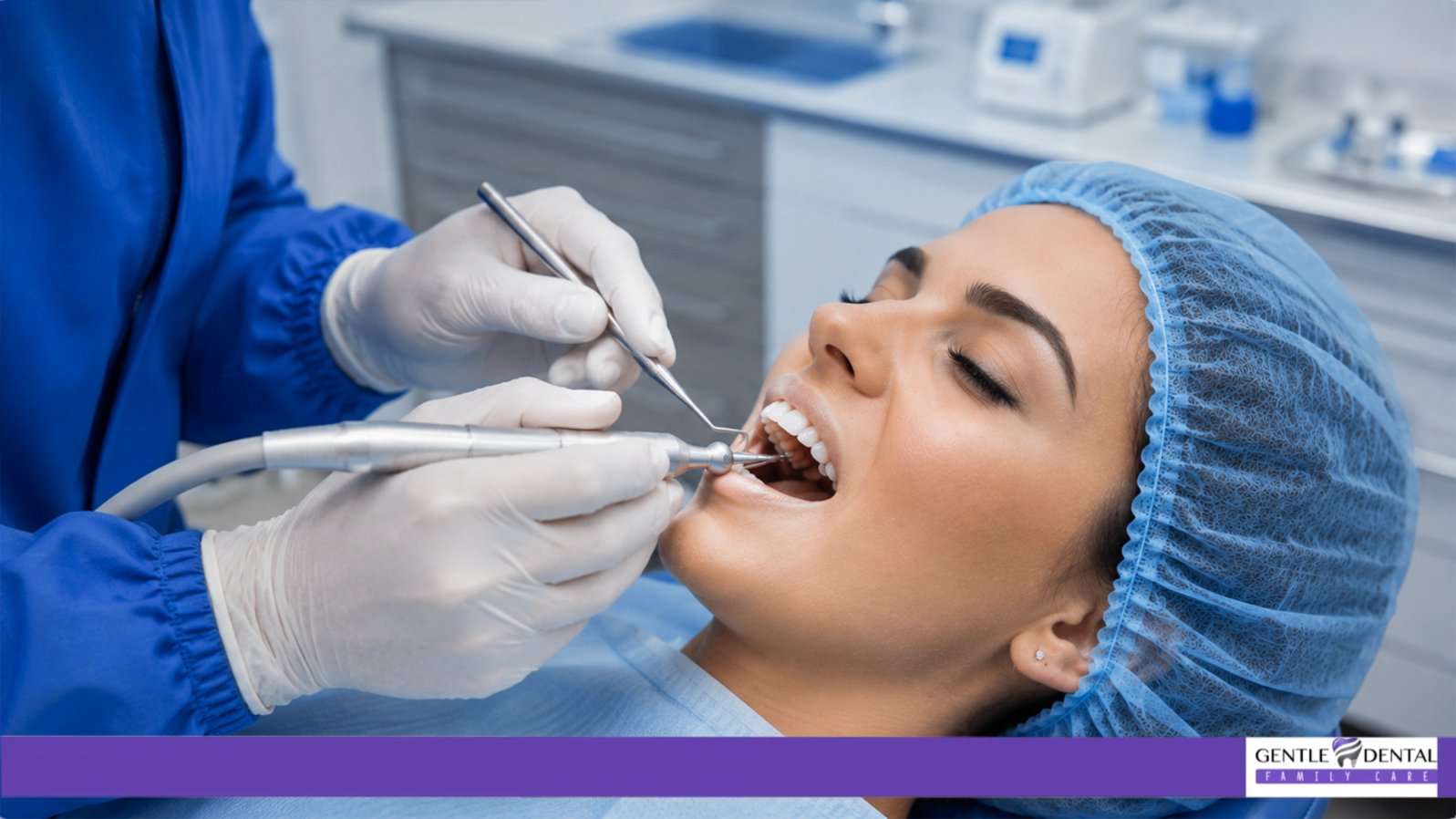
Oral health issues often develop slowly, and many people ignore early symptoms until they become serious. When routine dental treatments are not enough, Oral Surgery becomes essential to restore function, eliminate pain, and protect long-term dental health.
Recognizing the signs early can help you avoid complications and get the right treatment at the right time.
What Is Oral Surgery?
Oral Surgery includes specialized procedures performed on the teeth, gums, and jaw. These treatments are recommended when conditions cannot be resolved with basic dental care.
Common procedures include:
- Tooth extractions
- Wisdom tooth removal
- Dental implants
- Gum surgery
- Jaw correction
1. Persistent Tooth Pain That Doesn’t Go Away
Ongoing or severe tooth pain is often a sign of deep infection, nerve damage, or decay that has reached advanced stages.
When pain becomes constant and does not improve with medication, Oral Surgery may be required to:
- Remove the affected tooth
- Treat infection at the root
- Prevent further complications
Ignoring this can lead to serious infections that spread to surrounding areas.
2. Impacted Wisdom Teeth
Wisdom teeth frequently grow in the wrong direction or lack space to emerge properly. This condition, known as impaction, can cause:
- Swelling and discomfort
- Gum infection
- Damage to nearby teeth
Surgical removal is one of the most common Oral Surgery procedures and helps prevent long-term alignment and health issues.
3. Bleeding, Swollen, or Receding Gums
Healthy gums should not bleed regularly. Persistent bleeding or swelling may indicate advanced gum disease.
At this stage, Oral Surgery may be needed to:
- Remove infected gum tissue
- Clean deep pockets below the gum line
- Restore gum health
Without treatment, this condition can lead to tooth loss and bone damage.
4. Jaw Pain or Difficulty Chewing
Pain while chewing or stiffness in the jaw may be linked to joint problems or misalignment.
Severe cases may require Oral Surgery to:
- Correct jaw positioning
- Relieve pressure on joints
- Improve bite and function
This not only reduces pain but also restores proper chewing ability.
5. Missing or Severely Damaged Teeth
Missing teeth affect more than just your smile. They can lead to:
- Bone loss in the jaw
- Shifting of surrounding teeth
- Difficulty eating and speaking
Dental implants, a key form of Oral Surgery, offer a permanent solution by replacing missing teeth and preserving jawbone structure.
When Should You See a Specialist?
If you experience any of these symptoms, it’s important to consult a dental professional as soon as possible. Early evaluation can reduce the need for complex procedures and speed up recovery.
A trusted provider like Gentle Dental Family Care can assess your condition and guide you toward the most effective treatment plan.
Benefits of Oral Surgery
Modern Oral Surgery techniques are safe, precise, and designed for faster recovery. Key benefits include:
- Long-term pain relief
- Improved oral function
- Enhanced appearance and confidence
- Prevention of serious dental complications
Final Thoughts
Delaying treatment can turn minor dental issues into major problems. Understanding the warning signs and taking action early can protect your overall oral health.
If you’re experiencing persistent pain, swelling, or missing teeth, Oral Surgery may be the right step toward a healthier, more comfortable smile.
Frequently Asked Questions
Is Oral Surgery painful?
No, procedures are performed under anesthesia. You may feel mild discomfort after, which is manageable.
How long is the recovery time?
Most people recover within a few days to a couple of weeks, depending on the procedure.
Is Oral Surgery safe?
Yes, it is a routine and safe procedure when performed by qualified professionals.
Do all dental problems require surgery?
No, surgery is only recommended when other treatments are not effective.
Can Oral Surgery improve overall health?
Yes, treating infections and dental issues can prevent them from affecting your overall health.
