
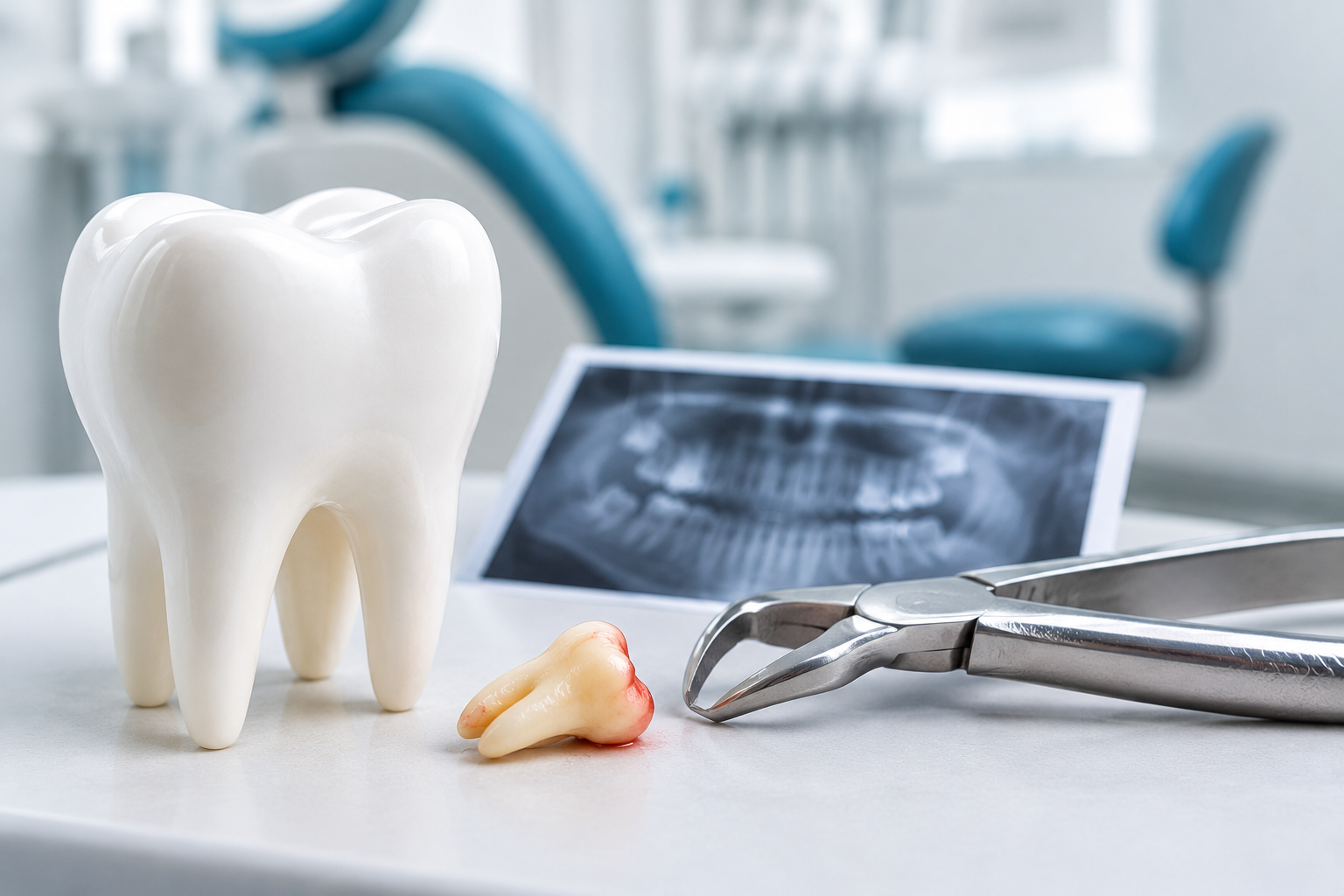
A wisdom tooth extraction usually involves some pain, swelling, and tenderness while the area heals. But if your symptoms become worse instead of better, you may be wondering whether you have an infected wisdom tooth extraction.
Knowing the difference between normal recovery and possible infection can help you understand when it is appropriate to contact a dentist. Symptoms such as increasing pain, swelling, unusual discharge, persistent bad taste, or fever should not be ignored.
Quick Answer: What Are the Signs of an Infected Wisdom Tooth Extraction?
Signs of an infection after wisdom tooth removal may include pain that gets worse instead of improving, increasing swelling, pus or unusual discharge, persistent bad taste or odor, fever, or feeling generally unwell. Some discomfort and swelling can be normal during recovery, so concerning or worsening symptoms should be evaluated by a dentist rather than diagnosed at home.
What Is an Infection After Wisdom Tooth Extraction?
After a wisdom tooth is removed, the extraction site needs time to heal. A blood clot forms in the socket and helps protect the underlying tissues while healing begins.
An infection can develop when bacteria enter or multiply around the healing area. The risk can vary depending on the tooth, extraction complexity, oral health, healing process, and other individual factors.
The important point is that not every symptom after extraction means there is an infection.
Some soreness, swelling, and tenderness are expected during recovery. The more useful question is whether your symptoms are gradually improving or whether they are becoming more severe.
What Are the Signs of an Infected Wisdom Tooth Extraction?
If you are concerned about an extraction-site infection, watch for symptoms that are persistent, worsening, or different from what your dentist told you to expect.
1. Pain That Gets Worse
Some pain after wisdom tooth removal is expected. However, pain that becomes increasingly severe, returns after initially improving, or is difficult to manage should be evaluated.
A change in the pattern of your pain can be more concerning than mild discomfort immediately after the procedure.
2. Increasing Swelling
Swelling around the extraction area can occur during normal healing. However, swelling that continues to increase or spreads beyond the immediate area may require professional evaluation.
Facial swelling can have several causes, so a dentist should determine what is happening rather than relying on symptoms alone.
3. Pus or Unusual Discharge
Pus or unusual fluid coming from the extraction site can be a warning sign of infection.
If you notice discharge around the extraction area, contact your dental office for guidance.
4. Persistent Bad Taste or Odor
An unpleasant taste or persistent bad odor from the extraction area may occur with an infection, particularly when accompanied by other symptoms such as worsening pain or swelling.
It is important to consider the complete picture rather than treating one symptom as proof of infection.
5. Fever or Feeling Unwell
A fever or feeling generally unwell after an extraction can be a reason to contact a dental professional, particularly when it occurs alongside increasing pain, swelling, or other signs of infection.
6. Difficulty Opening Your Mouth
Significant difficulty opening your mouth, especially when combined with swelling or worsening pain, should be discussed with a dentist.
7. Pain That Makes Eating Difficult
If pain continues to interfere with eating or becomes progressively worse, professional evaluation can help determine whether the extraction site is healing normally or whether another problem needs attention.
What Is Normal After Wisdom Tooth Removal?
One of the biggest reasons people become concerned about an after extraction infection is that normal healing can involve symptoms that look alarming at first.
Depending on the procedure and the individual, you may experience:
- Mild to moderate soreness
- Swelling around the extraction area
- Tender gums
- Temporary difficulty chewing
- Some jaw stiffness
- Sensitivity around the surgical area
These symptoms should generally be considered in the context of how your recovery is progressing.
The direction of your symptoms matters
If discomfort and swelling are gradually improving, that can be consistent with normal recovery.
If pain or swelling becomes noticeably worse, returns after improving, or is accompanied by discharge, fever, or other concerning symptoms, contact your dentist.
Normal Recovery vs. Possible Infection
| Normal Recovery | Possible Infection |
| Discomfort gradually improves | Pain becomes worse or returns |
| Swelling gradually settles | Swelling increases |
| Mild tenderness around the area | Significant or worsening tenderness |
| Temporary jaw stiffness | Increasing difficulty opening the mouth |
| Healing continues over time | Symptoms become more concerning |
| No unusual discharge | Pus or unusual discharge |
This comparison is not a diagnosis. Symptoms can overlap, and only a dental examination can determine what is causing your symptoms.
What Causes an Infection After Extraction?
Several factors can influence how an extraction site heals.
Potential contributing factors may include:
- Bacteria entering the healing area
- Difficulty keeping the area clean
- Existing oral health problems
- The complexity of the extraction
- Impacted or difficult-to-remove wisdom teeth
- Individual healing differences
- Not following the aftercare instructions provided by your dental professional
Your dentist can explain the factors that are relevant to your specific extraction.
Is an Infection the Same as Dry Socket?
No. An infection and dry socket are different complications, although some symptoms can overlap.
Dry socket occurs when the protective blood clot in the extraction socket becomes lost or breaks down too early. It can cause significant pain and may require professional treatment.
An infection involves bacterial activity and may cause symptoms such as increasing swelling, discharge, fever, or worsening discomfort.
Because the symptoms can overlap, it is better not to try to diagnose the problem yourself. If your pain is worsening or you are concerned about the healing process, contact your dentist.
What Should You Do If You Think Your Extraction Site Is Infected?
If you notice possible signs of infection after wisdom tooth removal, the safest next step is to contact your dental office.
Your dentist may ask about:
- When the extraction took place
- How your symptoms have changed
- Whether your pain is improving or worsening
- Whether you have swelling or discharge
- Whether you have experienced fever or other symptoms
A dental professional can then determine whether you need an examination and what the appropriate next step should be.
Avoid attempting to drain an extraction site or using unapproved substances directly on the area.
Follow the aftercare instructions provided by your dental professional and contact the office if your symptoms are concerning or different from what you were told to expect.
When Should You Contact a Dentist?
You should contact your dentist if you are concerned that your extraction is not healing normally.
In particular, seek professional advice if you experience:
- Increasing or severe pain
- Increasing swelling
- Pus or unusual discharge
- Persistent bad taste or odor
- Fever
- Significant difficulty opening your mouth
- Symptoms that initially improved but then became worse
Early professional evaluation can help determine what is causing the symptoms and whether treatment is necessary.
When Is an Extraction Infection an Emergency?
Some symptoms require more urgent attention.
Significant facial or neck swelling, difficulty breathing or swallowing, uncontrolled bleeding, or severe symptoms that are rapidly worsening should not be ignored.
These situations can require urgent medical or dental assessment.
For dental emergencies in Queens, Gentle Dental Family Care provides urgent dental evaluations in Kew Gardens and advises patients experiencing severe tooth pain, swelling, bleeding, broken teeth, and other urgent dental concerns to seek prompt care.
How Is an Extraction Infection Evaluated?
A dentist will consider your symptoms, the timing of the extraction, your medical and dental history, and the condition of the extraction site.
Depending on the situation, the dentist may examine the surrounding gums and teeth and determine whether additional evaluation is appropriate.
The goal is to identify whether your symptoms are part of normal healing or whether there is a complication that needs attention.
This is why an online symptom checklist should not replace an in-person dental evaluation when symptoms are persistent or worsening.
How Long Does an Extraction Infection Last?
There is no single timeline for an extraction infection because the duration depends on the underlying cause and the individual’s condition.
If you have symptoms that are getting worse rather than improving, do not rely on waiting for them to disappear on their own.
Contact your dentist and explain how your symptoms have changed. They can determine whether an examination or treatment is needed.
How Can You Reduce the Risk of Infection After Extraction?
Your dental professional should provide specific instructions based on your procedure.
In general, patients should carefully follow their dentist’s aftercare instructions and avoid actions that could interfere with healing.
Good oral hygiene remains important, but the extraction area should be treated according to the instructions you were given.
If you are unsure whether something is safe during your recovery, ask your dental team rather than guessing.
When Should You Get Wisdom Teeth Evaluated?
You do not necessarily have to wait until a wisdom tooth becomes painful before having it evaluated.
Wisdom teeth can cause problems when they become impacted, crowded, difficult to clean, or associated with pain, swelling, or infection. Gentle Dental Family Care’s wisdom tooth service explains that evaluation may include an examination and X-rays to assess the position and condition of the teeth.
If you are experiencing wisdom tooth pain or are concerned about a possible infection, a dental evaluation can help determine whether wisdom tooth removal or another treatment is appropriate.
Frequently Asked Questions
1. How do I know if my wisdom tooth extraction is infected?
Worsening pain, increasing swelling, pus or unusual discharge, fever, persistent bad taste or odor, and feeling unwell can be warning signs. These symptoms should be evaluated by a dentist rather than self-diagnosed.
2. Is pain normal after wisdom tooth extraction?
Some pain and tenderness can be normal after extraction. What matters is how the symptoms change over time. Pain that becomes worse, returns after improving, or is difficult to manage should be discussed with your dentist.
3. How long should swelling last after wisdom tooth removal?
Swelling can occur during normal recovery, but the duration and severity vary between patients and procedures. If swelling continues to increase or is accompanied by other concerning symptoms, contact your dental professional.
4. What does an infected extraction site look like?
An infected extraction site may have swelling, redness, unusual discharge, or other changes. However, appearance alone cannot reliably diagnose an infection. A dentist should evaluate concerning changes.
5. Can an infection happen days after wisdom tooth removal?
Yes, symptoms of a complication can become noticeable during the recovery period. If pain or swelling is worsening rather than improving, contact your dental office for guidance.
6. What should I do for an infection after tooth extraction?
Contact your dentist and describe your symptoms and when the extraction occurred. Your dental professional can determine whether you need an examination and recommend the appropriate next step.
7. Can a wisdom tooth infection spread?
A dental infection can potentially become more serious if it is not appropriately evaluated and treated. Significant swelling, difficulty breathing or swallowing, or rapidly worsening symptoms require urgent attention.
8. When should I call my dentist after wisdom tooth extraction?
Call your dentist if you experience worsening pain, increasing swelling, unusual discharge, fever, persistent bad taste or odor, or other symptoms that concern you during recovery.
9. Is an infected wisdom tooth always painful?
Not necessarily. Symptoms can vary, which is why pain alone should not be used to determine whether an infection is present.
10. Can I treat an extraction infection at home?
You should not attempt to diagnose or treat an extraction infection on your own. Contact your dental professional for appropriate evaluation and follow their specific aftercare instructions.
Get Professional Guidance for Wisdom Tooth Concerns in Queens
If you are experiencing worsening pain, swelling, or other symptoms after wisdom tooth removal, professional evaluation can help determine what is happening.
Gentle Dental Family Care provides wisdom tooth evaluation and extraction services in Kew Gardens, Queens, including care for wisdom teeth associated with pain, crowding, infection, or impaction.
For symptoms that may represent an urgent dental problem, the practice also provides emergency dental care in Kew Gardens, Queens.
Schedule an appointment with Gentle Dental Family Care to discuss your wisdom tooth or post-extraction concerns.
